
Full 25-point door and opener safety check with every visit - springs, cables, rollers, tracks, and your LiftMaster or Chamberlain opener included
You get a price before we start. It does not change when the truck arrives.
 Before
 After
After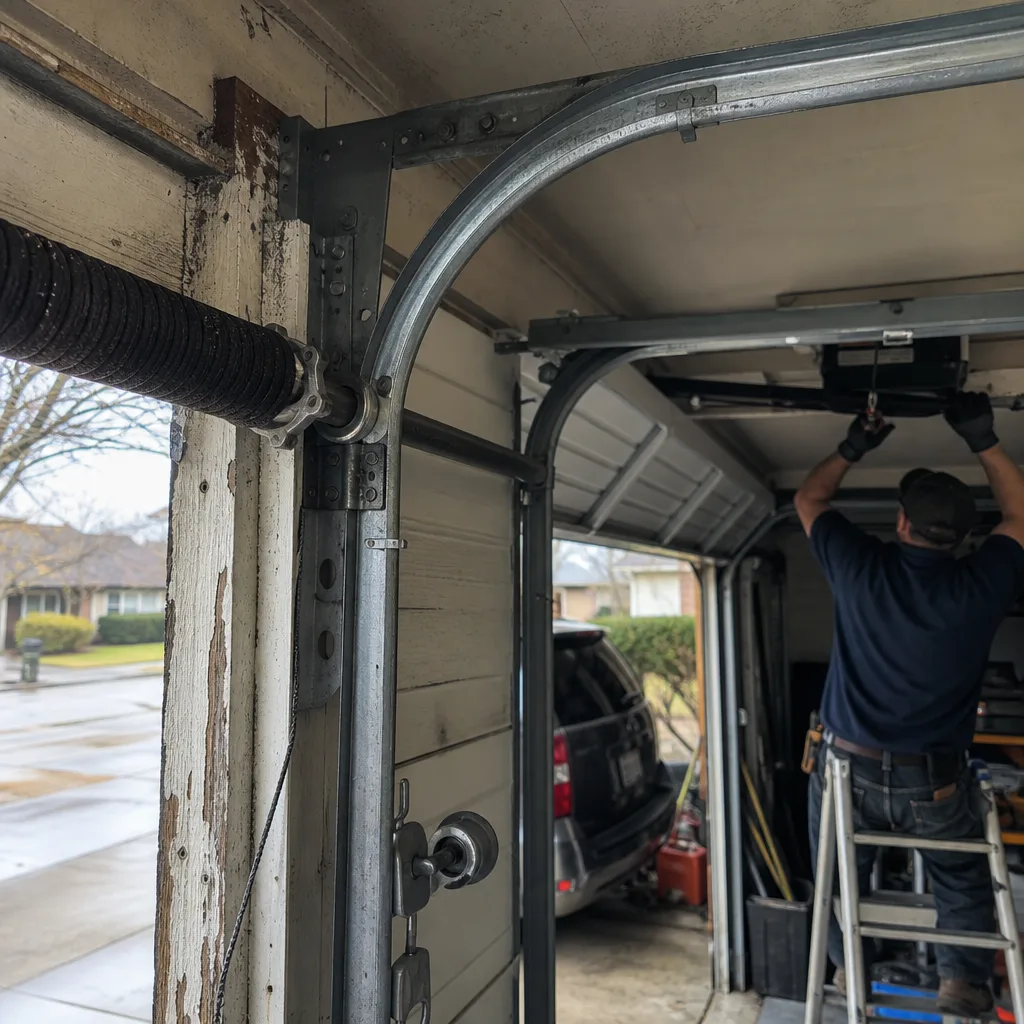 Before
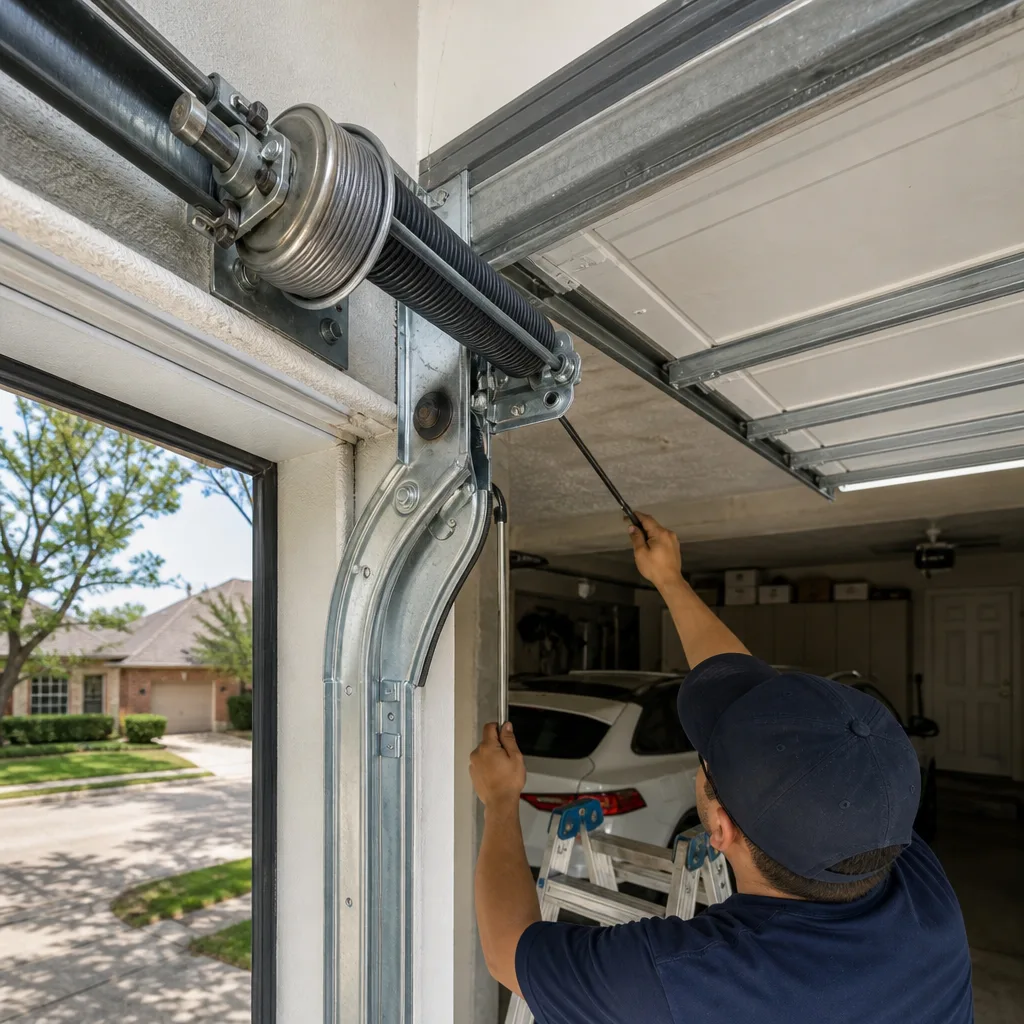 After
After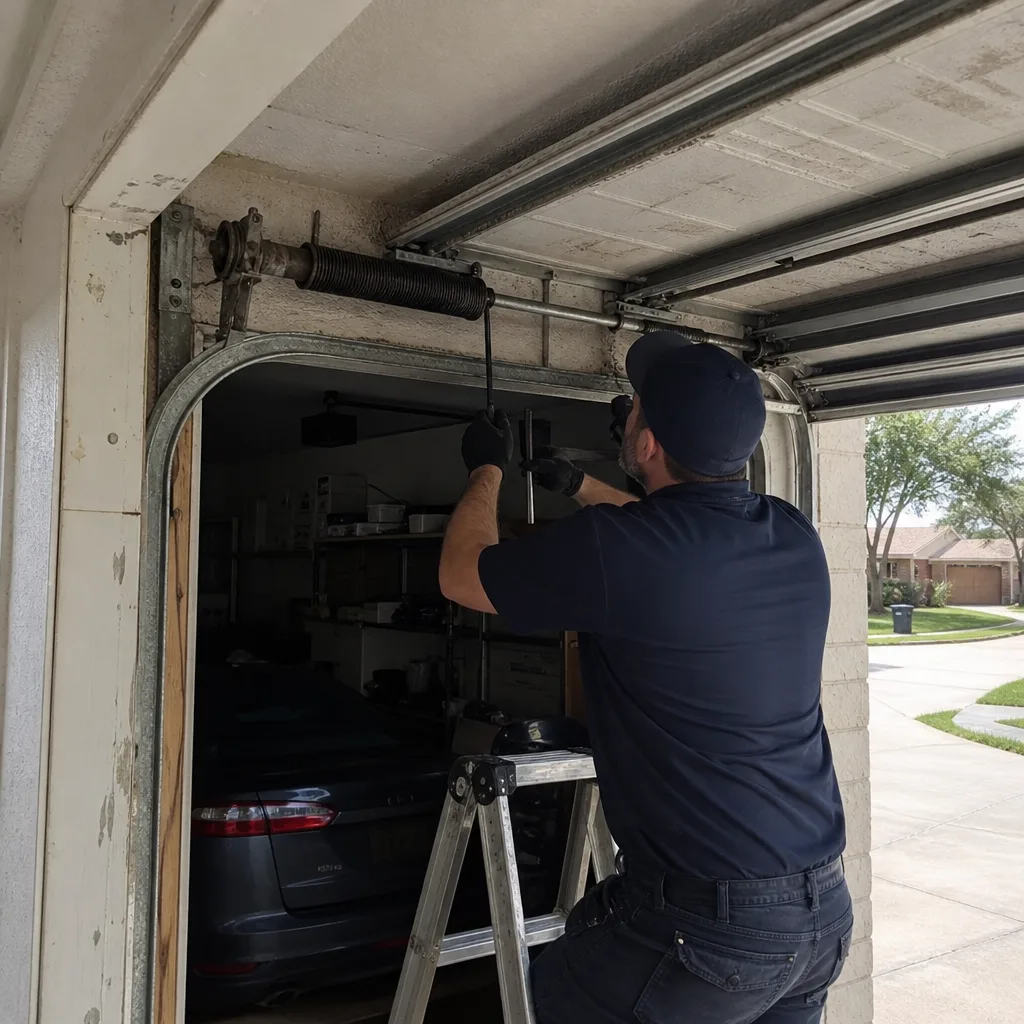 Before
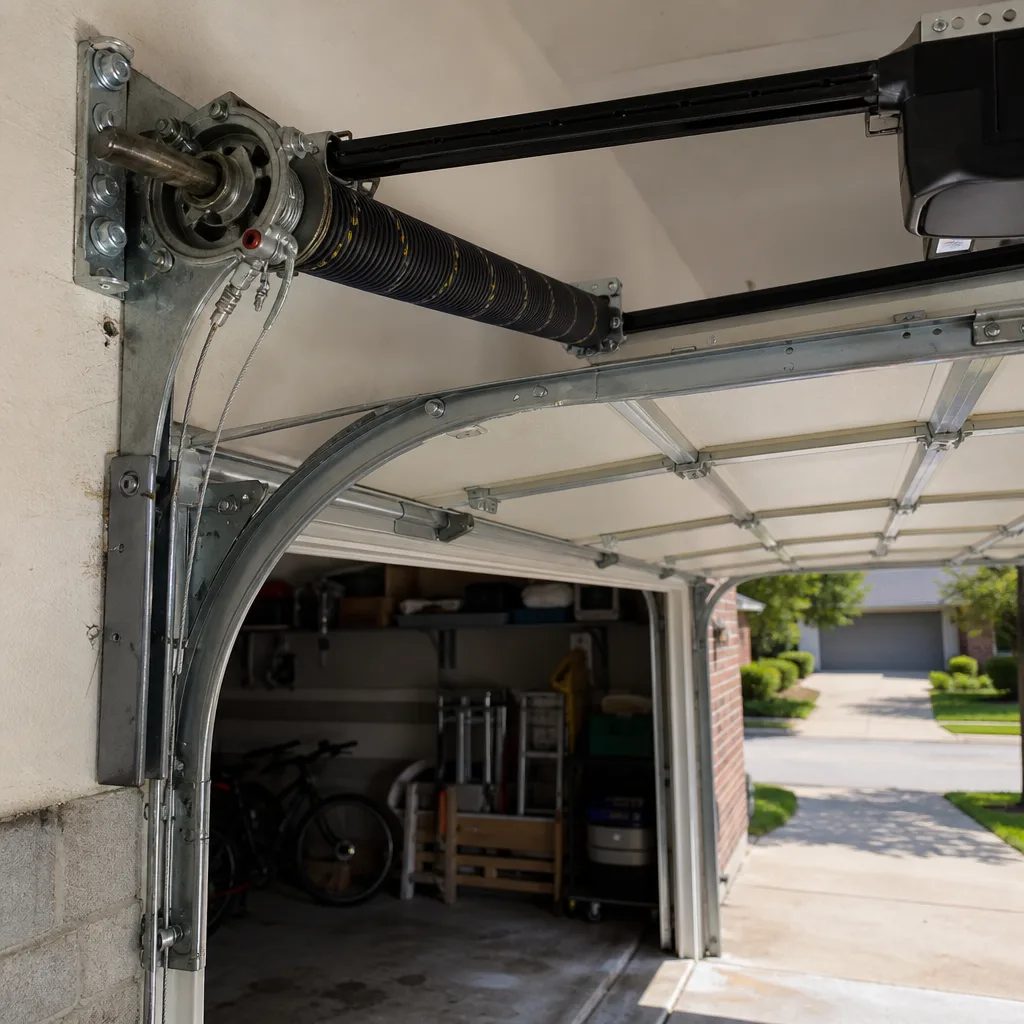 After
AfterLiftMaster Roller Replacement: The Plano Owner’s Guide
LiftMaster roller replacement in Plano typically runs $110-$220 installed, and we carry the rollers on the truck for same-day service in most cases. Most homeowners discover the problem when the door starts sounding like a gravel truck, or when one side begins to sag a quarter-inch lower than the other as the door climbs. Rollers are the wheel assemblies that guide the door through the vertical and horizontal tracks, and they wear out faster than just about any other moving part on a LiftMaster-equipped door.
Which LiftMaster Models This Applies To
Here’s a compatibility note that trips up a lot of Plano owners: LiftMaster doesn’t manufacture the door itself. LiftMaster makes the opener. The rollers ride on whichever door brand is installed, which is why we service LiftMaster, Chamberlain, Genie, Clopay, Amarr, Wayne Dalton, Craftsman, and Raynor doors with the same roller stock on the truck. The part number on the roller stem matters, not the opener name on the ceiling unit.
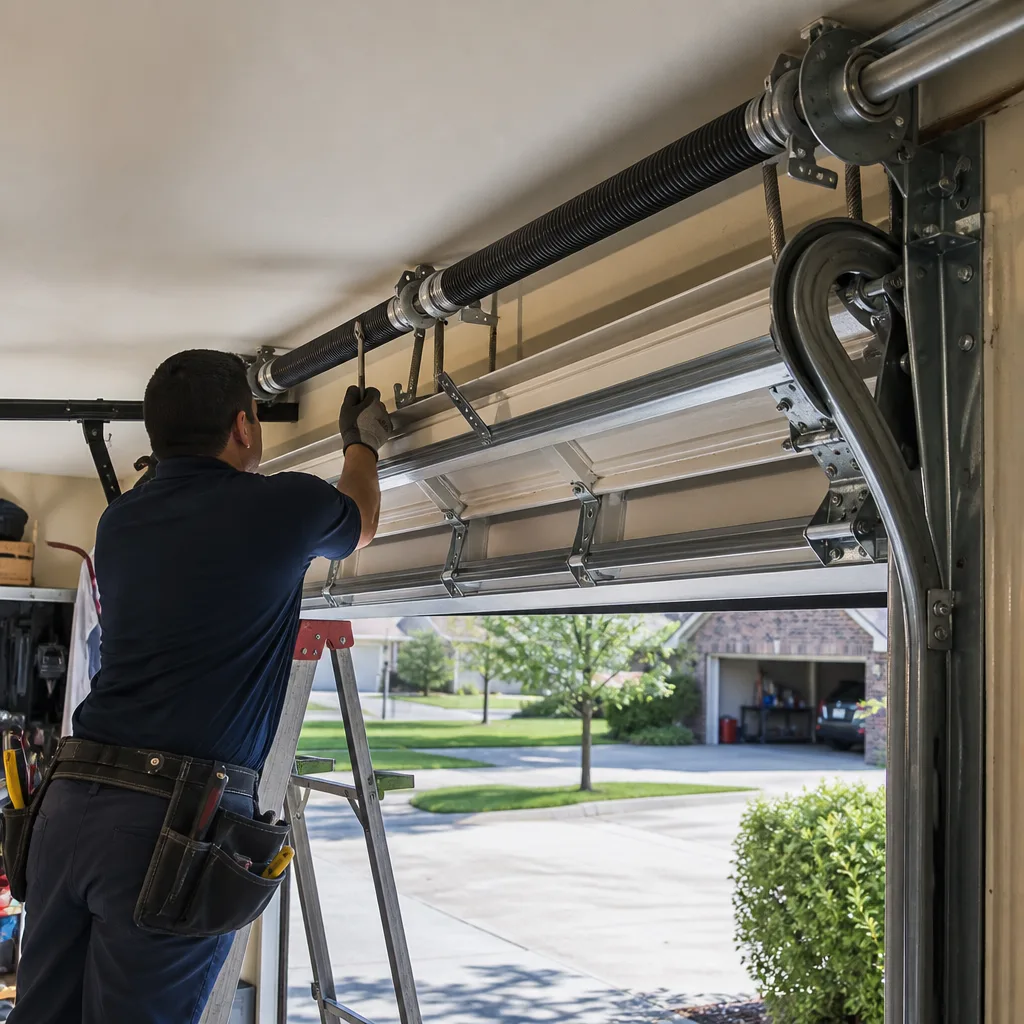
Rollers come in two stem lengths: standard 4-inch stems for most residential doors, and 7-inch stems that fit the bottom brackets on some heavier doors. Wire gauge on the hinge brackets also matters. If your door takes 11-gauge hinges, you need the roller with the matching stem diameter or it’ll rattle in the bracket. A quick way to check on your own: open the door halfway, look at the roller against the stem it rides on, and see whether there’s visible play. We photograph this during every estimate so you see exactly what we’re seeing before any quote is written.
Signs Your LiftMaster Roller Replacement Is Failing
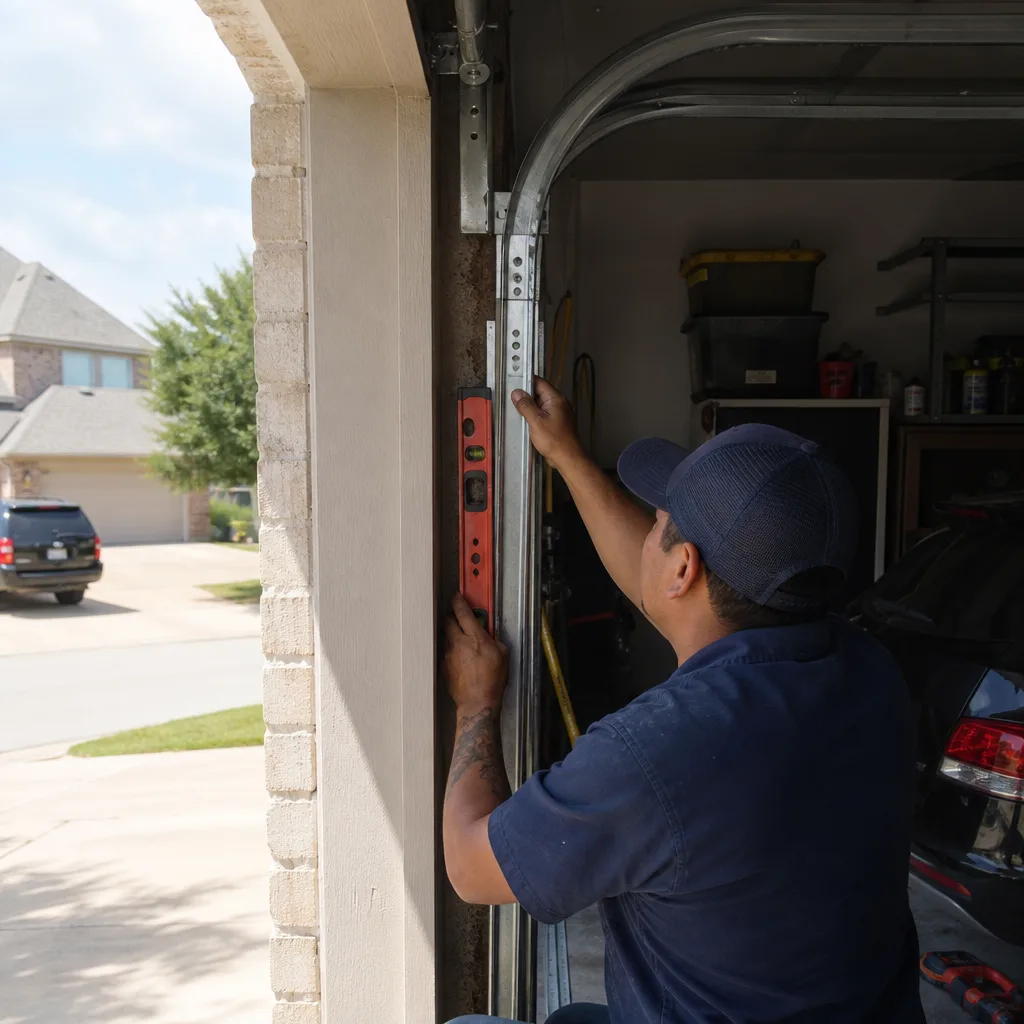
- Gravel or grinding noise during operation. This usually means the ball bearings inside the roller have lost their grease and are running dry against the race. On nylon rollers, the bearing is the first thing to go; on steel rollers, it’s the roller itself wearing flat. By the time you hear it, the bearing is done.
- The door hesitates or jerks when it passes the curve in the track. A worn roller develops play between the wheel and the stem, which catches at the transition point where the vertical track meets the horizontal. Plano garages with frequent open-close cycles, two or three cars coming and going daily, wear this point fastest.
- One side sits visibly lower as the door raises. When a roller on one side loses its bearing, the door rides lower on that side climbing up. You’ll notice it as a tilt, sometimes subtle enough to miss until the door looks crooked at eye level.
- Black dust or metal shavings on the track near the roller path. That’s roller material. Steel rollers shed powdered metal; nylon rollers leave a finer black film. Either one means the part is being consumed and the track is taking the friction.
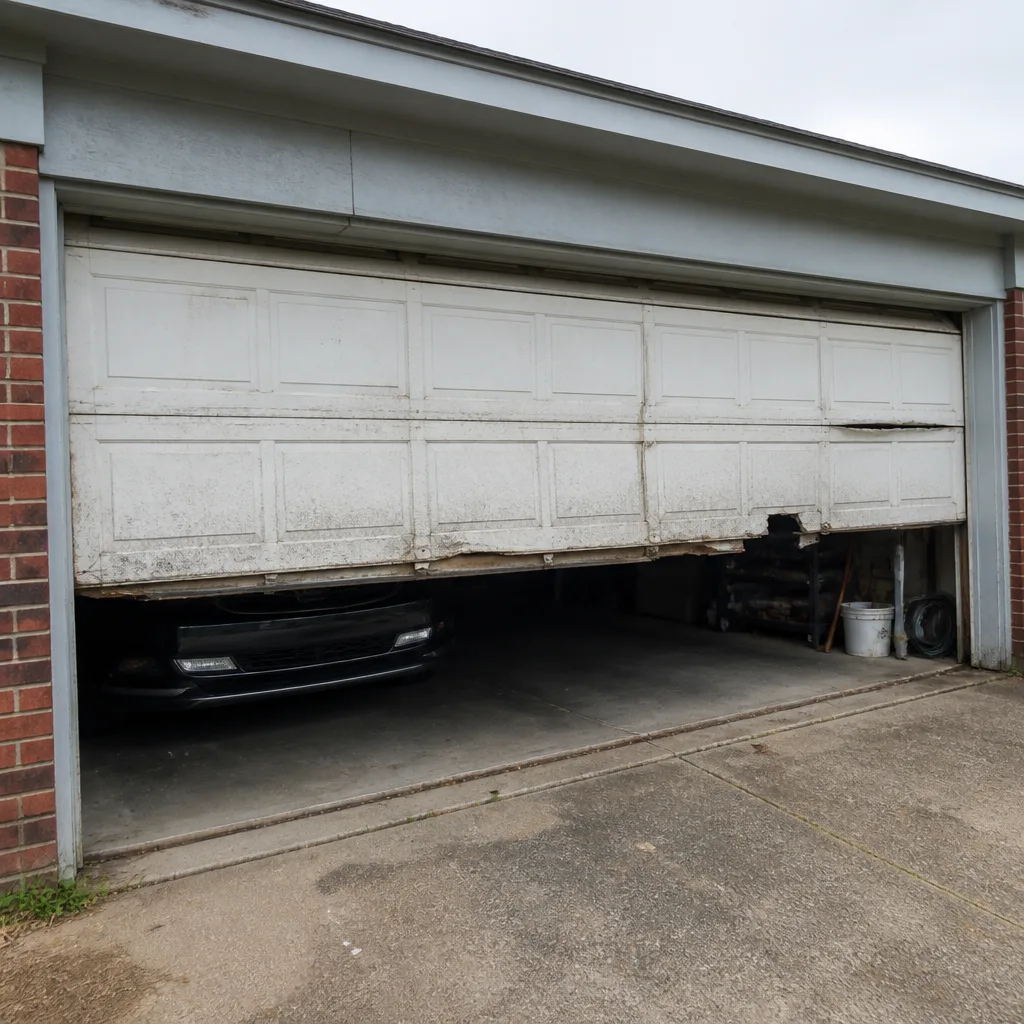
- The door visibly wobbles left-to-right in the opening. Once two or more rollers on the same side wear out, the door loses its guide points and starts floating. This is the stage where continuing to run the opener risks bending the track, which turns a one-roller job into a track realignment job too.
BeforeAfterParts We Stock for LiftMaster and Compatible Doors
We keep a rolling inventory of the common sizes on the service truck: 2-inch and 3-inch nylon rollers with 10-ball bearings, heavy-duty 11-ball bearing versions, and steel rollers for older doors where the original spec called for them. The nylon-with-steel-bearing combination is what we install in most Plano homes because it’s quieter and wears the track less than all-steel. The trade name is “nylon garage door roller with sealed bearing” and it’s what LiftMaster, Chamberlain, and Genie doors all grew up using after 2005 or so. Before that, most doors shipped with steel. If your door is older and still has steel rollers, we’ll note it on the estimate and give you the choice.
OEM versus aftermarket matters less on rollers than it does on logic boards or gear kits, because the roller is a mechanical consumable. What matters is stem length, stem diameter, wheel diameter, and bearing count. We spec them to the bracket, not to the brand. That said, Marcus Deller keeps a running list of rollers he trusts, and on LiftMaster doors in particular the 10-ball 3-inch nylon wheel with a sealed bearing has held up better than the cheaper 7-ball versions in the North Texas heat.
Replacement Cost & What’s Included
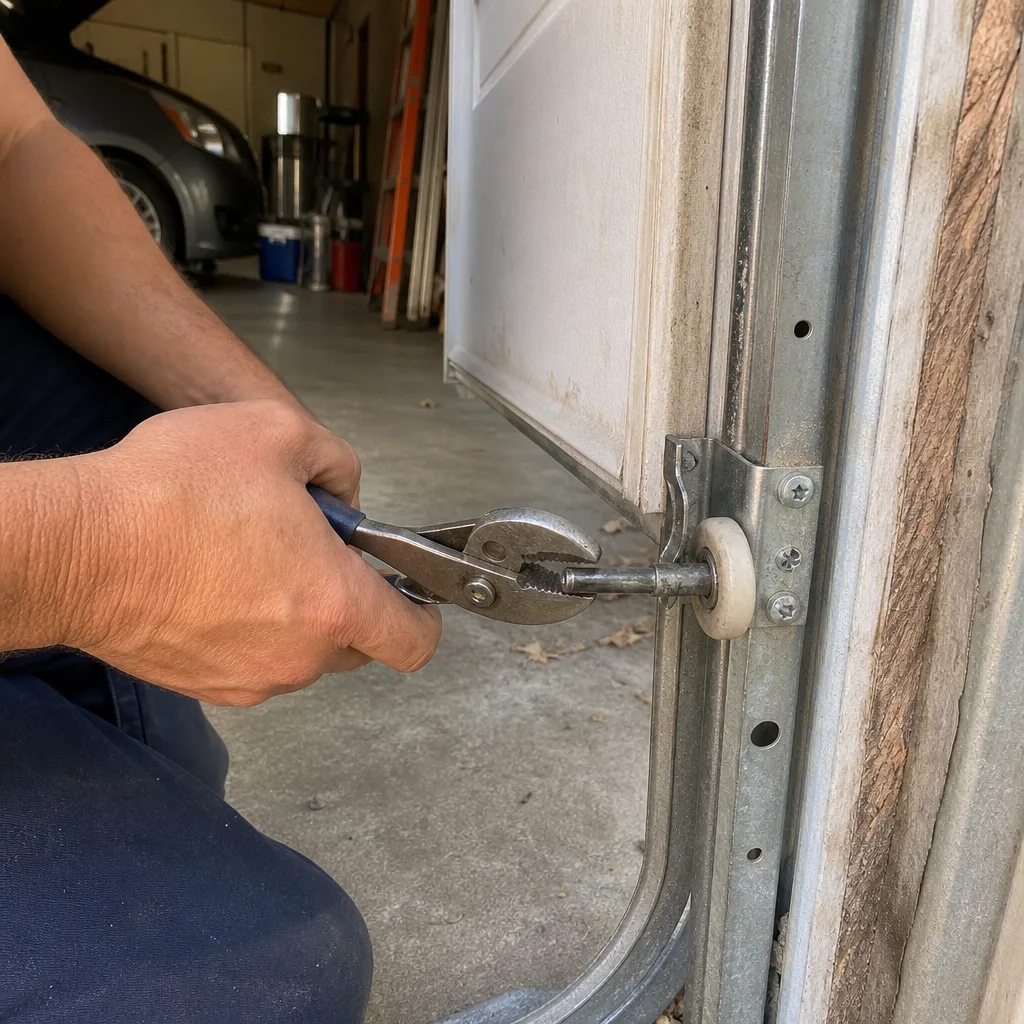
Roller replacement in Plano runs $110-$220 for a full set of rollers installed, depending on how many rollers the door has, whether we’re also replacing the bottom bracket rollers, and whether the door runs on steel or nylon. The price is flat and written before any work starts. That’s Clause 1 of The Haven Standard: a written price and written scope in your hand before a bolt turns. The lower end of the range covers a standard 7-foot, four-panel door with nylon rollers and no bracket issues. The upper end covers doors with more panels, steel roller legs that need replacement, or bottom brackets that have to come off to get the old rollers out. Labor and parts are never priced separately at the end. The number on the page is the number on the invoice, plus tax.
Every roller job includes a documented photo record of the failed rollers, the new rollers in place, and the track after the job. The work is covered by the 365-Day Done Right Promise: if it isn’t right, we make it right.
DIY or Call Us?
Replacing a roller is one of the simpler garage door repairs, but there’s one hard rule: do not remove the bottom roller bracket by unbolting it from the track. The bottom bracket is under constant tension from the cable connected to the spring. If you unbolt the bracket, the cable can release that tension without warning and the door will drop. This is how people get seriously hurt in their own garage. You can safely inspect the rollers for wear, but removing and swapping them, especially the bottom two, is where you bring in someone who does it every week.
If you’d rather have the whole job documented and warrantied, call (469) 455-3103 and we’ll send a technician to Plano with the rollers on the truck and the written quote on the spot.
FAQs
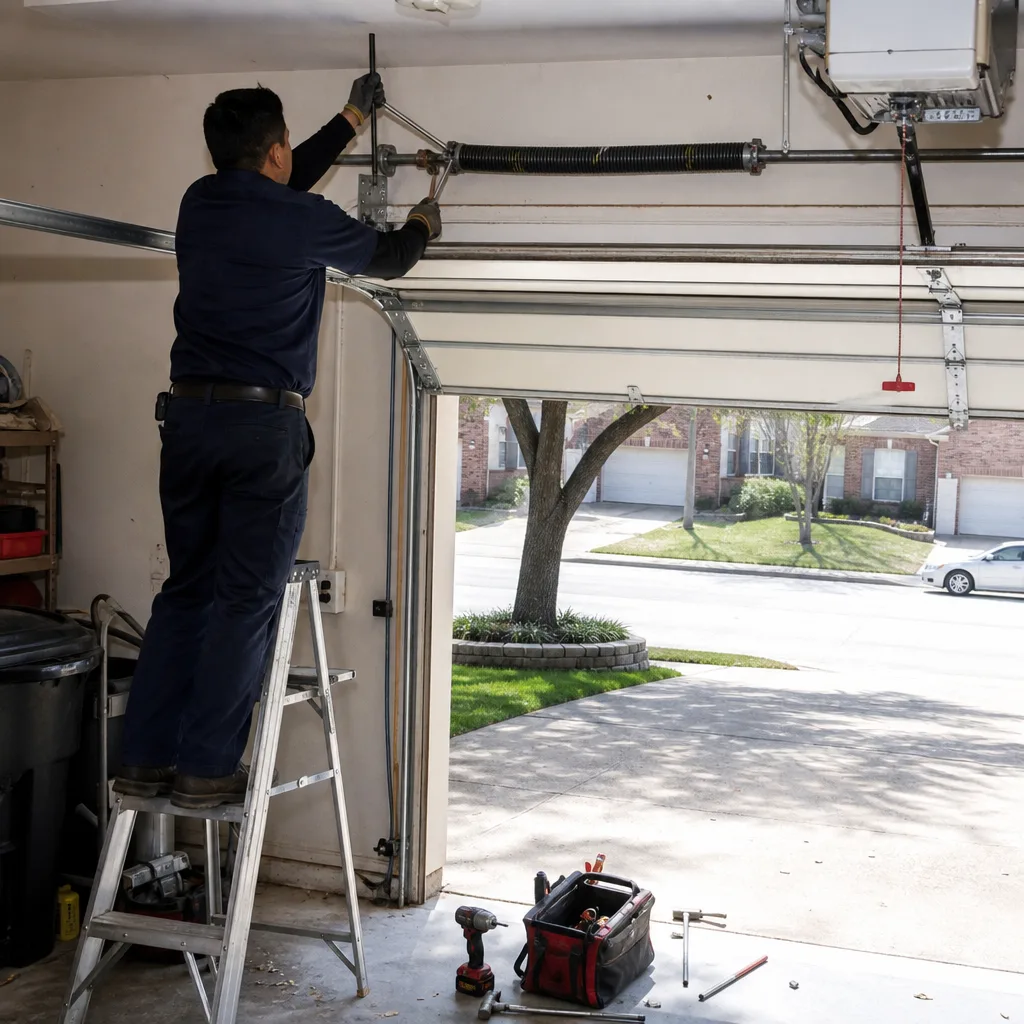
Nylon rollers with sealed bearings typically last 7 to 10 years in Plano heat; steel rollers last about the same but the door is louder the whole time. The rate of wear tracks usage cycles, so a two-car household in Plano running open-close cycles 6 to 8 times a day will wear rollers faster than a single-car home. If your door runs daily and the rollers are older than a decade, they’re due. Call (469) 455-3103 and we’ll give you a written quote on the spot.
No. The bearing inside the roller is sealed at the factory and not serviceable. Once the grease is gone and the bearing develops play, the roller is done. Some owners try lubricating the outside of the roller, which just spreads grease onto the track and makes things worse. Replacement is the only fix, and it’s the cheapest repair you’ll make on a garage door. Call (469) 455-3103 for a flat written price before any work starts.
A full roller replacement on a standard 7-foot door takes about 45 minutes to an hour, including the photo documentation. Add time if bottom brackets need replacement or if the track needs realignment. We tell you the time range up front on the written scope, and the price doesn’t change once we start. Call (469) 455-3103 for an estimate.
Yes. We stock 2-inch and 3-inch nylon rollers with 10-ball and 11-ball bearings, plus steel rollers for older doors that call for them. The technician arrives in Plano with the parts already on the truck, photographs the failed rollers, writes the quote, and starts only after you approve it. Call (469) 455-3103 for same-day service.
Written by Marcus Deller, Owner, Servo Garage Doors Plano at Servo Garage Doors Plano, serving Plano and nearby areas.