
Last updated September 20, 2026
Full 25-point door and opener safety check with every visit - springs, cables, rollers, tracks, and your LiftMaster or Chamberlain opener included
You get a price before we start. It does not change when the truck arrives.
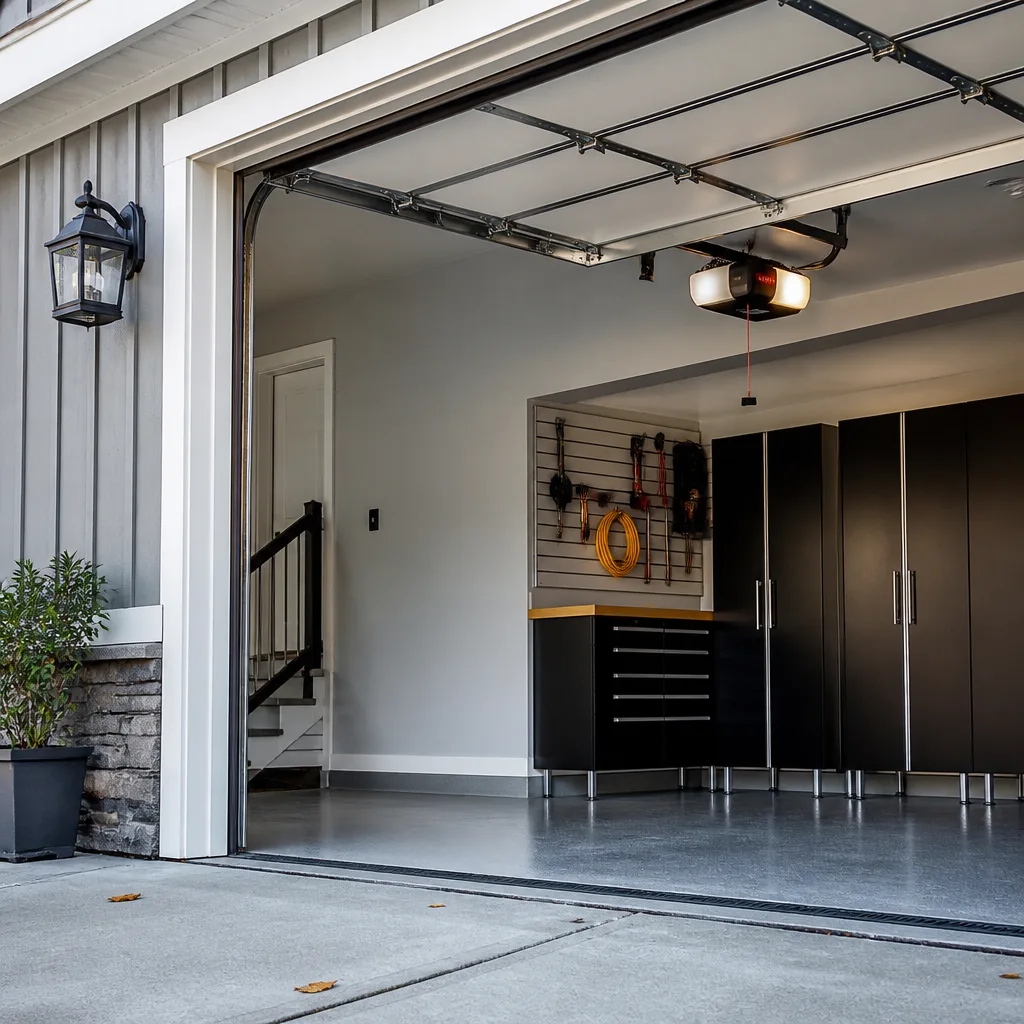
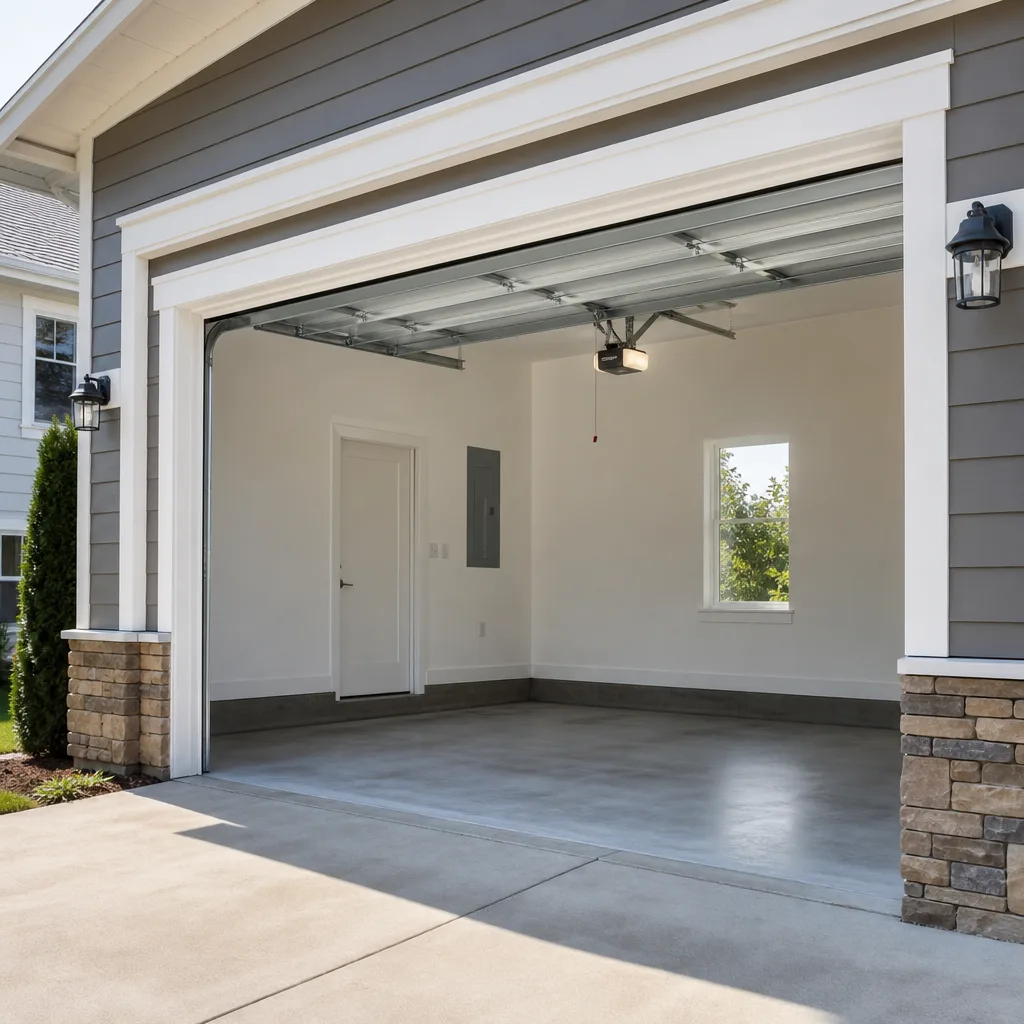
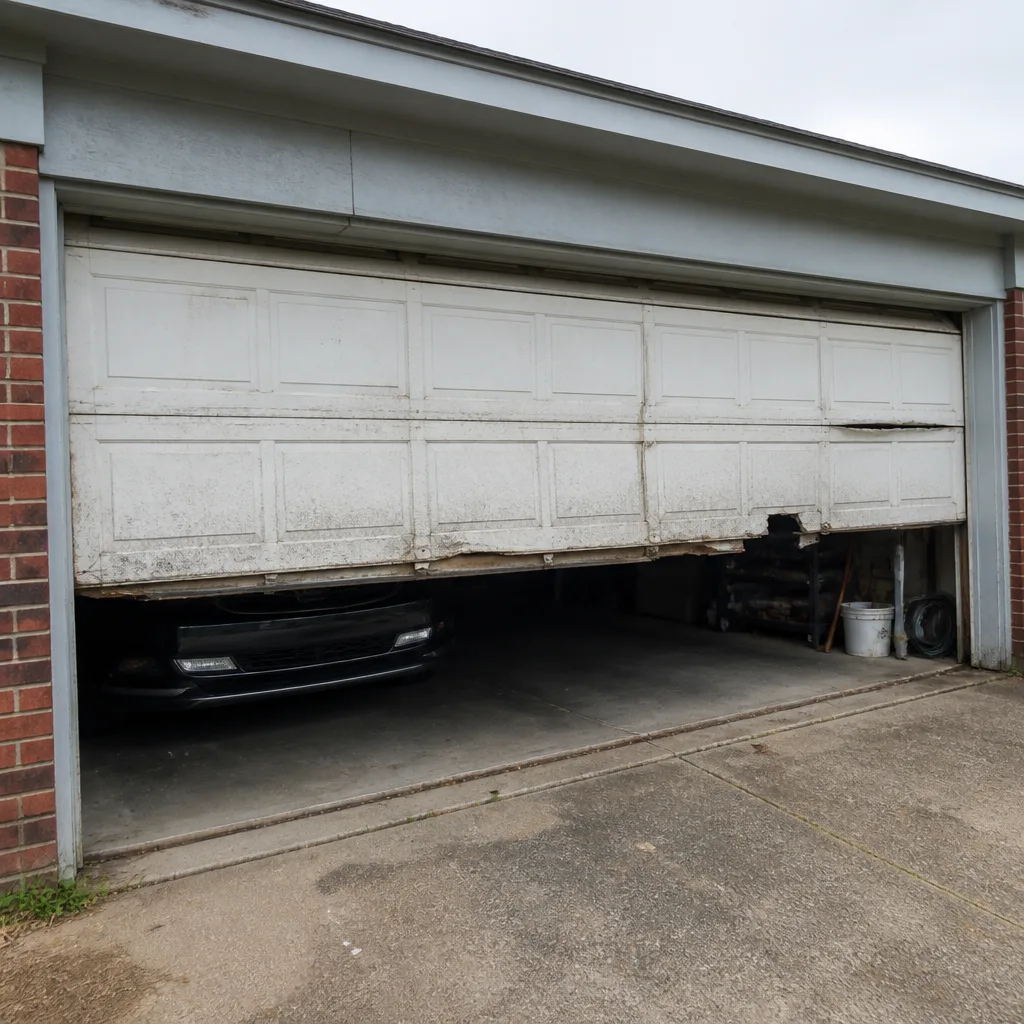 Before
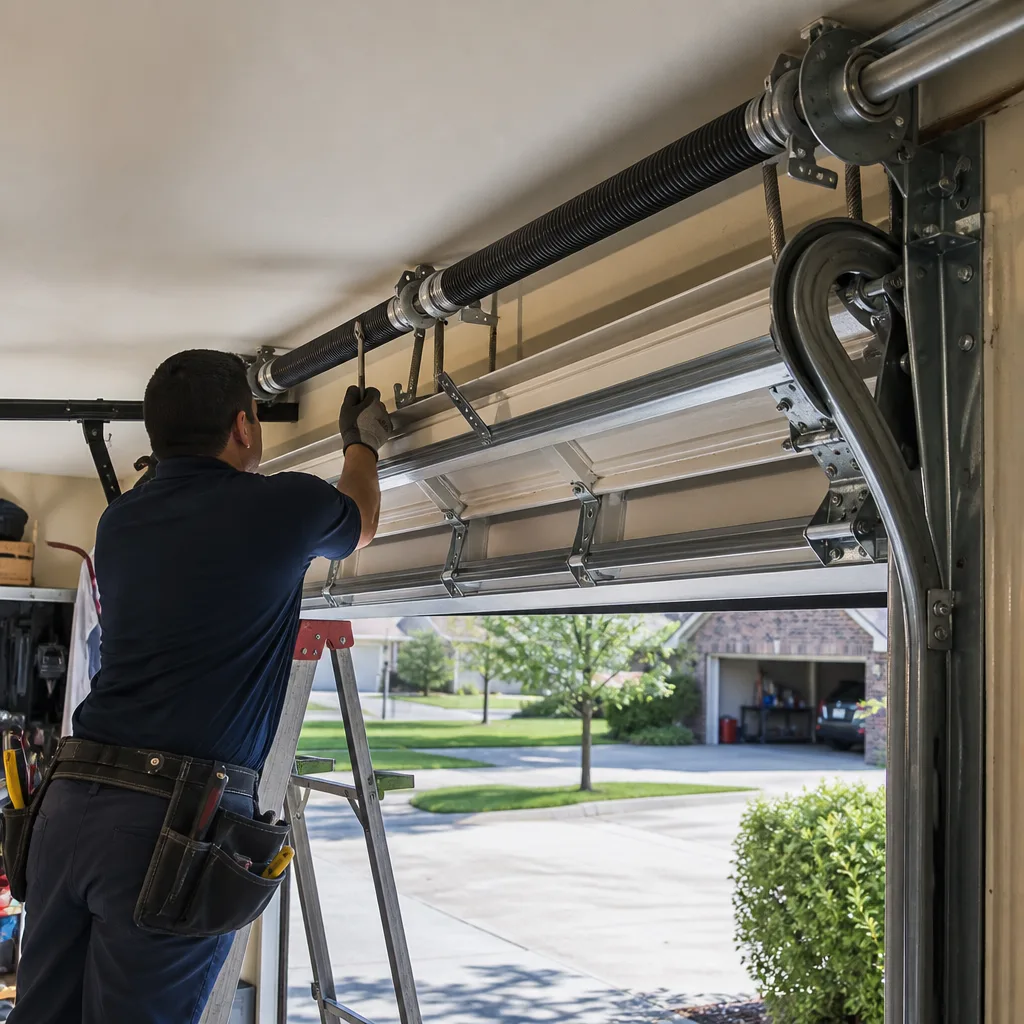 After
After Before
 After
After Before
 After
AfterGarage Door Permits, Codes & Inspections in TX: What You Need to Know
Most Plano homeowners assume garage door work never requires a permit. That assumption cost one Plano homeowner eleven days at closing in 2023. The seller had a new garage door opener installed two years earlier by a licensed company that never pulled the permit. The work itself was fine. The missing paperwork triggered a retroactive inspection that delayed the sale for over a week. This guide explains exactly when garage door work in Plano requires a permit, what code compliance means under Texas law, how inspections actually work, and what unpermitted work can cost you later. You’ll learn more than the city’s website tells you.
Quick Answer
In Plano, Texas, a building permit is generally required when you install a new garage door opener or replace an existing door with one of a different size or structural configuration. Replacing a door panel, spring, track, or roller on an existing door typically does not require a permit. The trigger is the nature of the work, not the project cost. All new garage door opener installations in Plano must comply with UL 325 safety standards, regardless of whether a permit is pulled.
Table of Contents
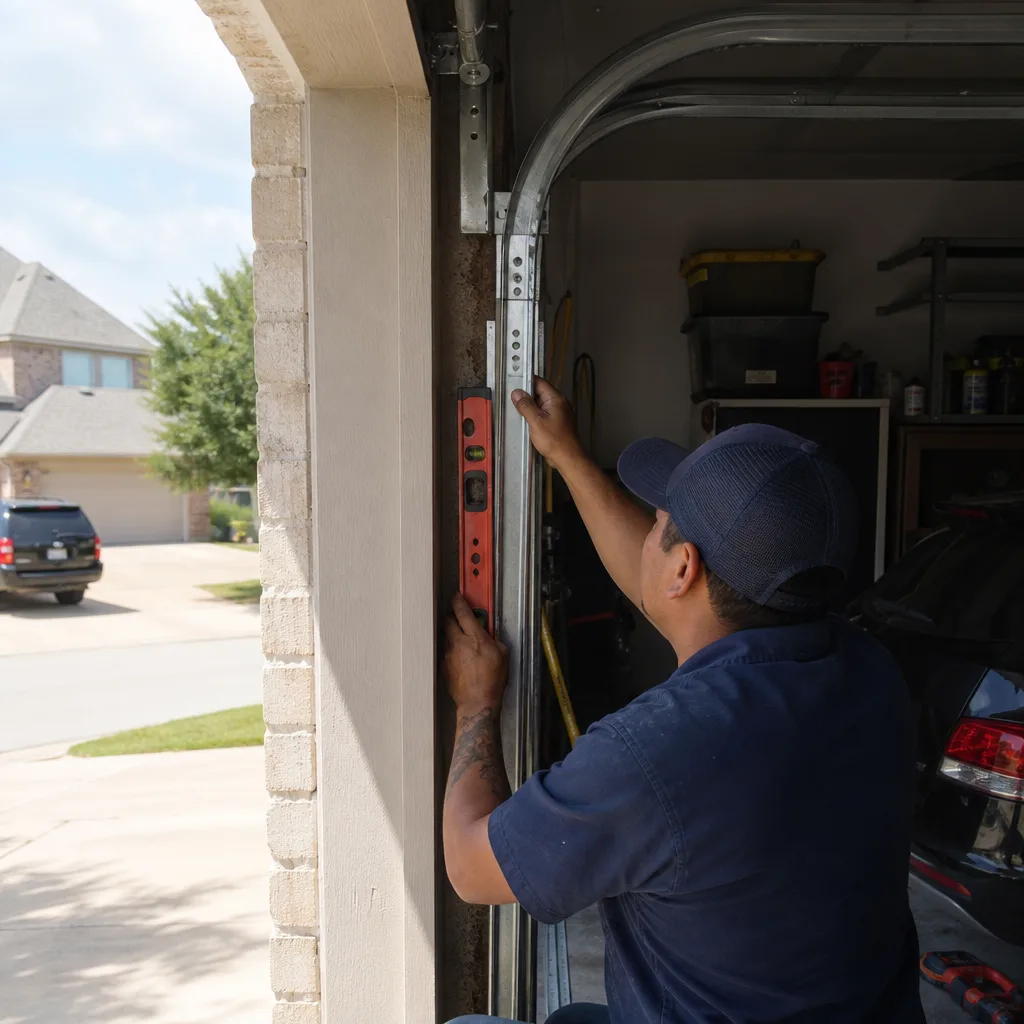
- The Texas Permit Framework: State Code vs. City Code
- Plano-Specific Rules: When a Permit Is Actually Required
- UL 325 and Opener Safety: The Code Most Contractors Skip
- What a Failed Garage Door Inspection Looks Like in Collin County
- How to Verify a Contractor Pulled a Permit (Step by Step)
- Unpermitted Work and Homeowner’s Insurance: What Can Be Denied
- HOA Overlay: When Plano HOA Rules Conflict with City Code
- Common Mistakes to Avoid
- When to Call a Professional
- Frequently Asked Questions
- The Bottom Line
BeforeAfterThe Texas Permit Framework: State Code vs. City Code
Texas does not have a single statewide building permit for residential garage door work. The state adopts model codes, and each municipality enforces its own version with local amendments. Plano operates under the International Residential Code (IRC) with city-specific modifications. What this means in practice: the answer to “do I need a permit?” differs between Dallas, Richardson, Frisco, and Plano, even though all four share the same state code foundation.
The Texas Department of Licensing and Regulation (TDLR) licenses garage door installers, but TDLR licensing does not replace municipal permitting. A company can hold a valid state license and still be required to pull a city permit for certain work. This is exactly what happened in the 2023 closing delay mentioned above. The company was licensed. The permit was never filed.
For homeowners, the relevant code sections are:
- IRC Section R105.1: Work requiring a permit includes any construction that alters the structure, changes occupancy, or modifies mechanical systems.
- IRC Section R311 and related: Garage door openings are part of the building envelope, which means structural changes to the opening itself fall under permit requirements.
- UL 325 (adopted by reference): Governs the entrapment protection requirements for all residential automatic garage door openers installed after 1993.
The city of Plano adds its own administrative layer through the garage door installation process in Plano, which specifies which residential projects qualify for an express permit and which require a full plan review. Most garage door work falls into the express category, which means faster turnaround and lower fees.
Plano-Specific Rules: When a Permit Is Actually Required
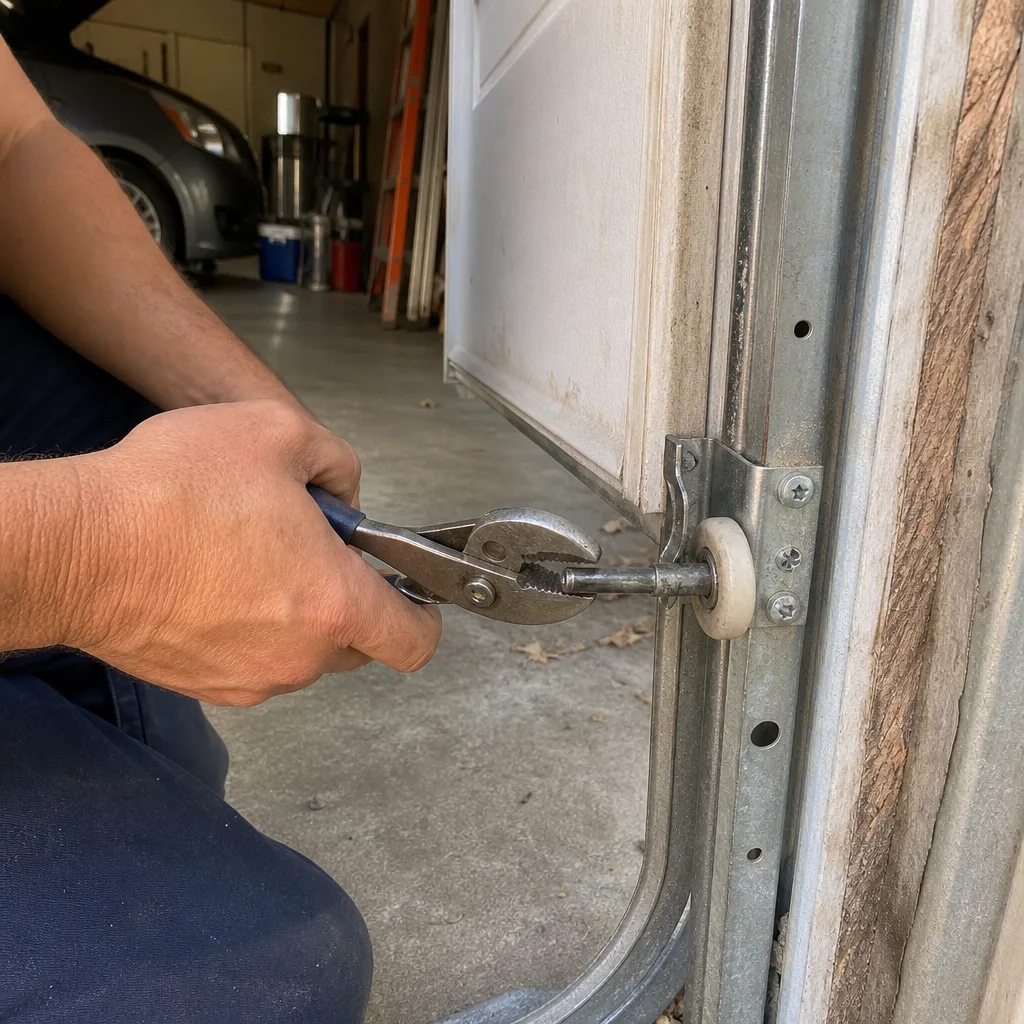
The city of Plano’s permit threshold for garage door work is based on what changes, not what it costs. A $4,500 custom door replacement might require no permit at all, while a $450 opener swap technically does. Here is the breakdown as it currently applies in Plano:
Work That Requires a Permit in Plano
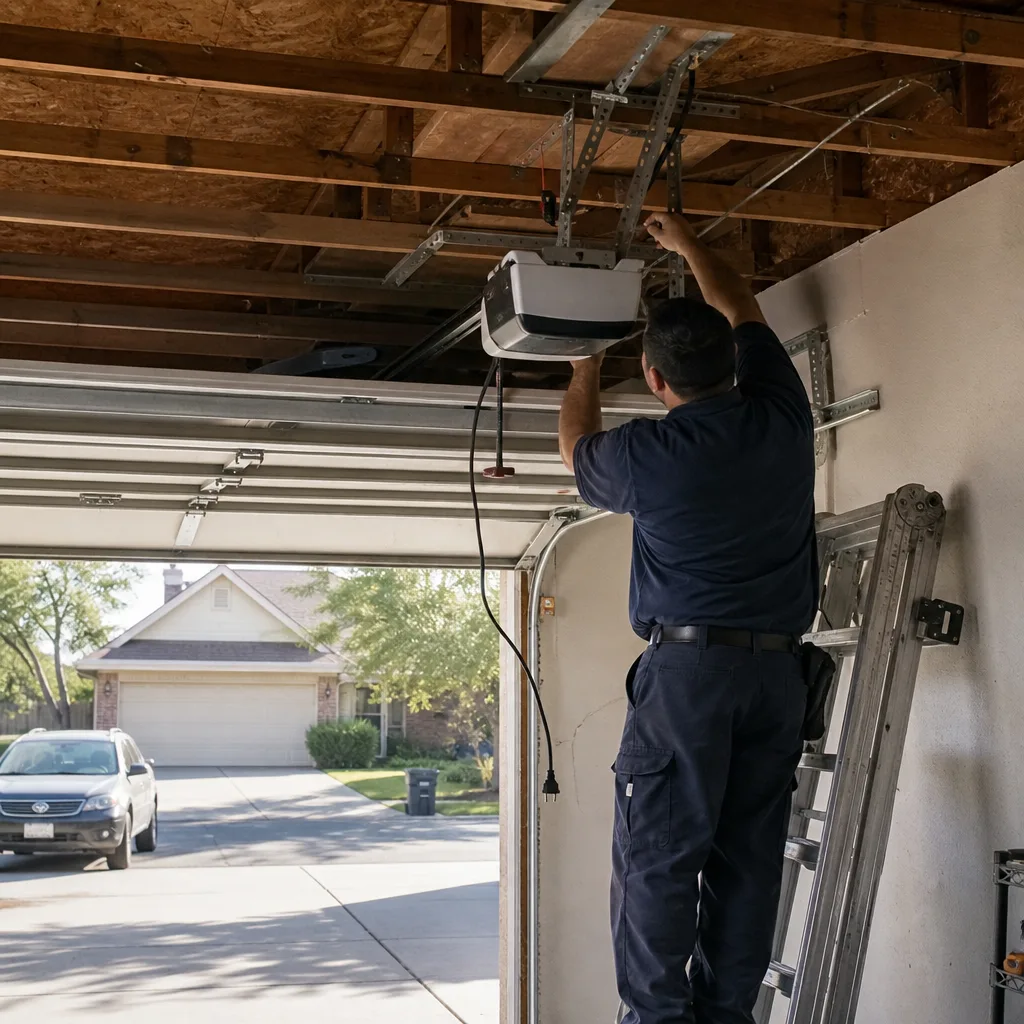
- New garage door opener installation where no opener existed before. The permit covers the electrical connection and the UL 325 compliance verification.
- Replacing a garage door opener when the replacement involves wiring changes beyond swapping the existing plug-in power cord.
- Installing a garage door in a new opening or enlarging an existing opening. This is structural work and always requires a permit.
- Replacing a garage door with a door of different dimensions or significantly different weight class requiring new track, new mounting, or header modifications.
- Adding a second door where one door existed before. The header must be re-engineered.
Work That Typically Does Not Require a Permit in Plano
- Replacing individual door panels on an existing track system, provided the overall door dimensions and weight class stay the same.
- Replacing torsion springs, extension springs, cables, rollers, hinges, or other wear components on an existing door.
- Replacing a garage door opener motor unit with the same voltage and using the existing outlet, when the safety sensor wiring remains intact.
- Track repair or adjustment that does not change the mounting points or opening dimensions.
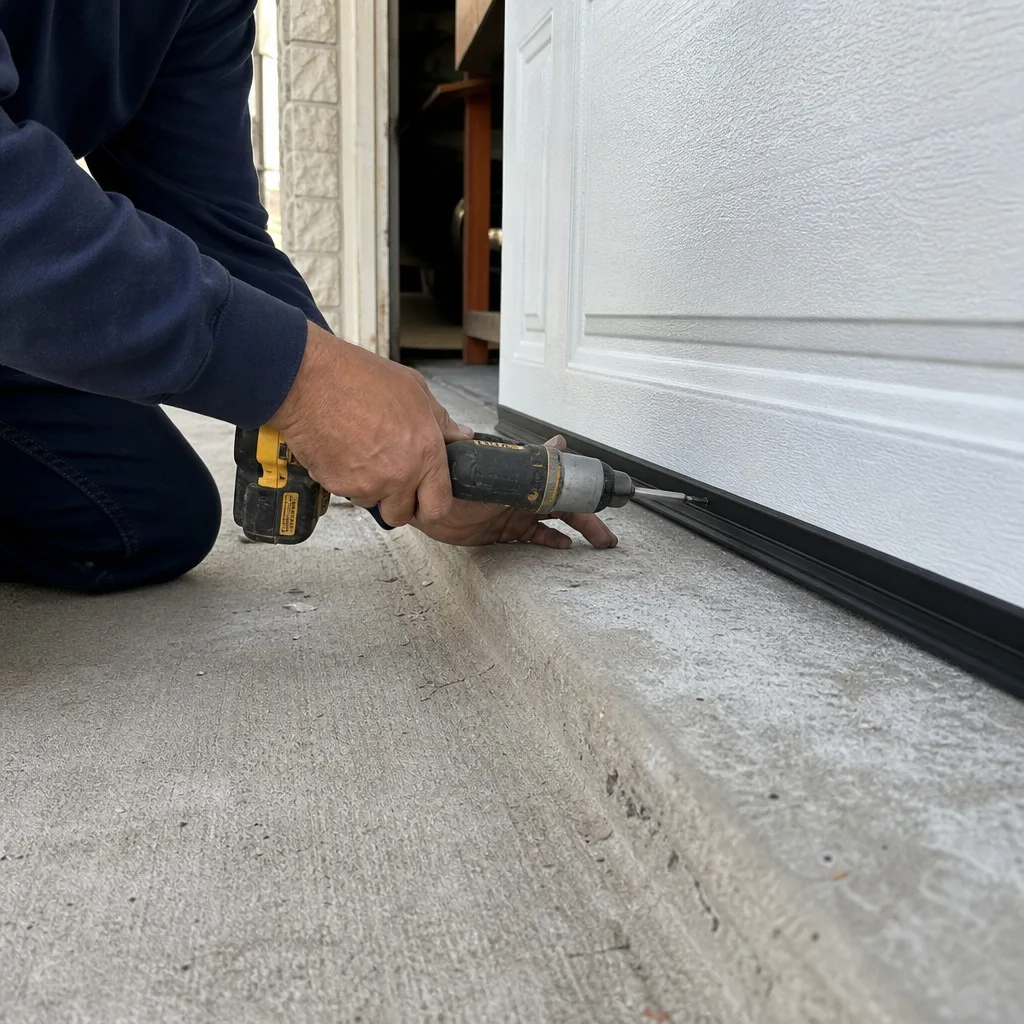
- Weather seal and insulation replacement on an existing door.
In our experience at Servo Garage Doors Plano, many Plano homeowners are surprised to learn that the most common job we do, torsion spring replacement, requires no permit at all, while the opener sitting on the shelf at Home Depot may need one depending on how the wiring connects. The city’s express permit process makes this manageable, but skipping it entirely is where problems compound years later.
UL 325 and Opener Safety: The Code Most Contractors Skip
UL 325 is the national safety standard for automatic garage door openers, and Plano adopted it by reference into the city’s building code. Every new garage door opener installation in Plano must meet UL 325 requirements, whether or not the specific job triggered a permit. This is the compliance area where we see the most shortcuts in the field.
UL 325 mandates two independent entrapment protection mechanisms on every residential automatic opener:
- Primary protection: A door that reverses when it contacts an object with a specific force threshold. This is the mechanism that stops and reverses the door when it hits something on the way down.
- Secondary protection: A photoelectric sensor (the “safety eye” beam mounted near the floor on both sides of the door opening) or a door-edge sensor. If the beam is interrupted, the door cannot close.
The practical failure we see most often in Plano homes involves the sensor wiring. A homeowner buys a Genie or Chamberlain opener, installs the motor unit, wires the wall button, and never connects the safety sensors because the door “works fine” without them. The opener functions. The installation is noncompliant. If a child or pet is injured by a noncompliant door, the homeowner’s liability exposure is significant, and the insurance implications are covered later in this guide.
Servo Garage Doors Plano includes UL 325 sensor verification on every opener installation we perform, and it is documented in the photo record we deliver before leaving the job. Clause 4 of The Haven Standard, the system we operate under, requires that we photograph the failed component before quoting a replacement, and that same documentation discipline applies to proving compliance after the work is done.
What a Failed Garage Door Inspection Looks Like in Collin County
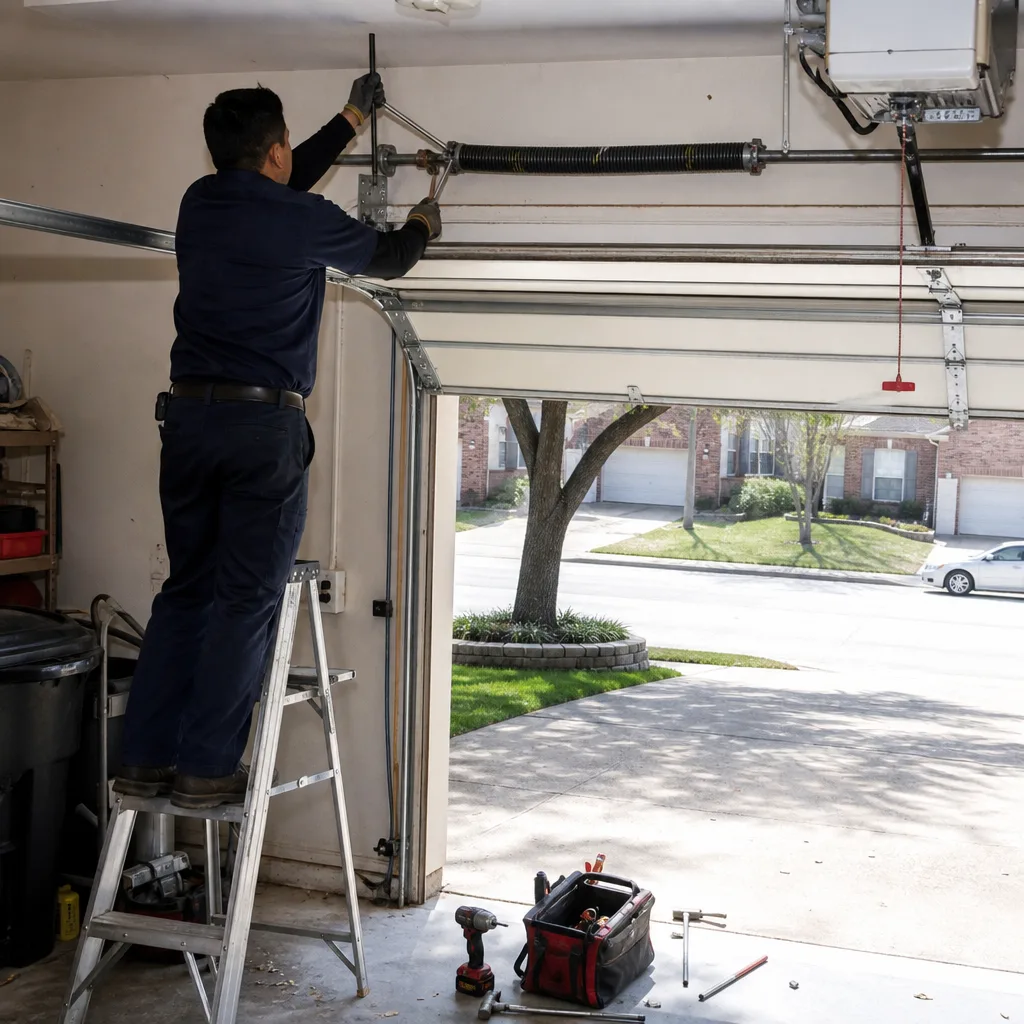
When a Plano garage door project requires a permit, the city assigns an inspector who verifies the work after completion. In our experience across Collin County, three specific violations account for the large majority of failed garage door inspections. None of them involve the actual operation of the door.
The Three Most Common Collin County Violations
- Missing or misaligned photoelectric sensors. The inspector checks that the sensors are mounted within 6 inches of the floor, aligned, and functioning. Sensors mounted too high, angled outward, or never connected will fail the inspection immediately.
- Opener force settings exceeding the UL 325 threshold. The inspector uses a force gauge or, in some cases, a common 2×4 laid flat, to test that the door reverses on contact without excessive force. Openers set to maximum force to overcome a poorly balanced door will fail. This often reveals a spring issue the installer ignored.
- Electrical connection not secured or not up to code. Loose wiring at the motor unit, exposed junctions without a box, or extension cords used as permanent power will each trigger a re-inspection. The opener must be powered from the existing dedicated outlet or a newly permitted circuit.
A failed inspection in Collin County means a re-inspection fee, typically $75 to $150, and a delay of one to two weeks while the violation is corrected and rescheduled. That timeline expands during the spring and summer months when Plano building activity peaks. The inspection itself is short, usually under 30 minutes, but a re-inspection queue can add meaningful time to a closing or a renovation schedule.
How to Verify a Contractor Pulled a Permit (Step by Step)
If a contractor tells you the permit is handled, you should be able to verify that in under five minutes using the City of Plano’s online permit portal. We recommend doing this before the work starts, not after. The closing delay described at the opening of this guide happened because the homeowner trusted a verbal assurance.
Steps to Verify a Permit in Plano
- Ask for the permit number before work begins. A legitimate contractor who has pulled a permit will have a number. If they say the permit “isn’t needed” for work you believe requires one, that itself is a signal to check.
- Visit the City of Plano building inspections page and navigate to the online permit lookup tool. Search by address to see all permits associated with the property, including open and closed records.
- Match the permit number to the project scope. Confirm the permit description matches the work being performed, not some unrelated earlier project.
- Check the status. A permit that is “issued” but has no passed inspection after the work is done means the job is not closed out. An open permit remains on the property record and can surface during a sale.
- Ask for the inspection report after the work is complete. The contractor should provide the final inspection approval or the city’s online record showing the permit was finalized.
Permit verification is exactly the kind of documentation-driven trust that our opener repair and installation service in Plano is built around. We pull the permit when the job requires one, and we show you the record.
Unpermitted Work and Homeowner’s Insurance: What Can Be Denied
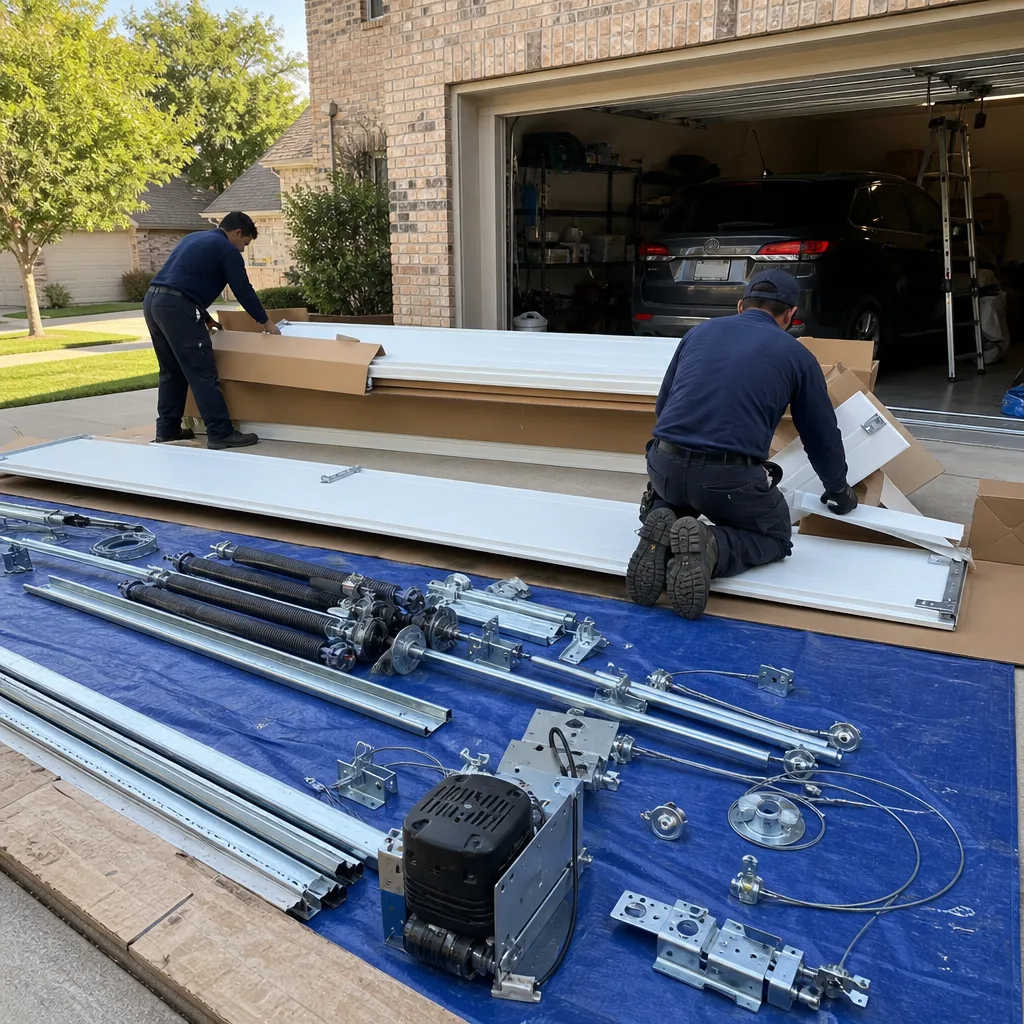
Homeowner’s insurance policies in Texas generally exclude coverage for damage caused by work that was performed without a required permit or that fails to meet code at the time of installation. This is not a hypothetical edge case. We have seen Plano homeowners learn this only after a claim was filed.
The most common scenario involves a garage door opener installed without UL 325 compliant sensors. If the door closes on a vehicle, a child, or a pet, and the subsequent claim investigation determines that the opener was installed without the required entrapment protection and no permit was pulled, the insurer may deny the liability portion of the claim. The homeowner is then personally exposed.
A second scenario involves door replacement work that changed the structural opening without a permit. If the header later shows signs of failure, or the door pulls away from the framing, the insurer may classify the damage as arising from nonpermitted structural modification and exclude it from coverage.
The practical takeaway: a permit is not bureaucratic busywork. It is the record that your installation met the code in force at the time of the work. When that record is missing, the burden of proving compliance falls on you, and you may not have the documentation to carry it. A contractor who photographs the completed installation, including the UL 325 sensor placement and the electrical connection, gives you evidence that survives even if the permit file is lost, which is why we include this in our Garage Door Repair Maintenance Checklist for Plano Homeowners. That photo record is standard on every service visit we perform.
HOA Overlay: When Plano HOA Rules Conflict with City Code
Many Plano neighborhoods operate under HOA architectural guidelines that regulate the appearance of garage doors. The intersection of HOA rules and city code creates a common point of confusion that we address regularly for customers across the city.
The governing principle is this: HOA rules control aesthetics, city code controls safety and structure. When the two appear to conflict, city code prevails on safety and structural matters, and the HOA prevails on appearance matters that do not compromise code compliance.
For example, a Plano HOA may require all garage doors in the subdivision to be a specific panel style or color from an approved list. A homeowner who wants a Clopay or Amarr door in a color not on that list must apply for an HOA variance, regardless of whether the city would approve the permit. The city does not care what color the door is. The HOA does.
The practical sequence in a Plano HOA-governed neighborhood is:
- Check HOA architectural guidelines first for any restriction on door style, material, color, or window placement. This applies to replacements that change the appearance.
- Determine whether city permit requirements apply based on the structural and electrical scope described earlier in this guide.
- Submit the HOA application if the visual change is regulated. Obtain written HOA approval before ordering the door.
- Pull the city permit if the work requires one. The city does not review HOA approvals, and the HOA does not enforce city permits.
- Keep both records together so that a future buyer can see that the visual change was HOA-approved and the structural work was city-inspected.
A door panel material change, such as switching from steel to wood composite or from a flush panel to a carriage-house design, is the most common HOA trigger. The same panel swap usually requires no city permit if the dimensions and weight class remain unchanged. The HOA process can take two to four weeks, which matters when you are scheduling around a sale or a renovation timeline.
Key Takeaways
- Garage door permit requirements in Plano are triggered by the nature of the work, not the price. A panel replacement needs no permit; a new opener with electrical changes may need one.
- UL 325 compliance applies to every new opener installation in Plano, permitted or not, and missing sensors are the most common inspection failure.
- Verify permits through the City of Plano’s online portal before work begins. A verbal assurance is not verification.
- Unpermitted garage door work can become an insurance claim denial and a sale closing delay, sometimes years after the installation.
- HOA rules and city code serve different masters. The HOA controls appearance; the city controls safety and structure.
- A documented photo record of the completed installation is evidence that holds value long after the work is done.
Common Mistakes to Avoid
- Assuming a state-licensed installer means the permit is handled. TDLR licensing and municipal permitting are separate systems, and a licensed company can still skip the city permit. Ask for the permit number specifically.
- Skipping the permit because the closing is years away. Unpermitted work surfaces when the title search runs, and retroactive inspections in Plano can take two weeks or more to schedule during the building season.
- Installing safety sensors incorrectly or not at all. A door that reverses on contact without an active sensor beam is not UL 325 compliant, and the liability exposure is entirely yours.
- Ignoring HOA requirements until after the door is ordered. A custom door in a non-approved color or style can trigger a correction order from the HOA, and custom orders are not returnable.
- Hiring the lowest bidder without a written scope. A flat, written price and written scope before work starts, delivered under Clause 1 of The Haven Standard, is the difference between a documented project and a dispute.
- Trusting that a handyman knows the code. Garage door springs and openers fall under specific safety standards, and a general handyman is rarely current on UL 325 or Plano permit triggers.
When to Call a Professional
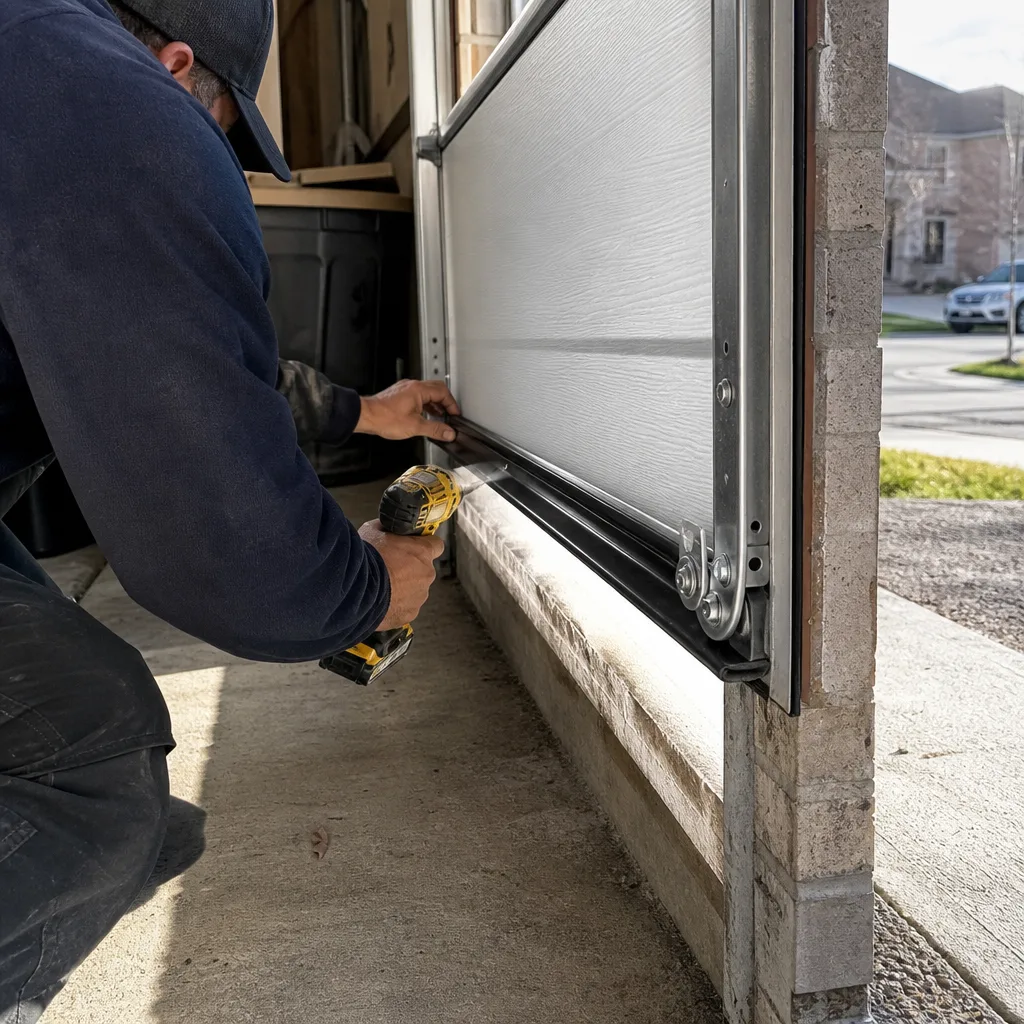
Garage door work that involves torsion springs, high-tension cables, or opener electrical connections is genuinely dangerous. Torsion springs store enough energy to cause serious injury or death if they release suddenly. If your door uses a torsion spring system, which most modern doors in Plano do, we recommend leaving replacement and adjustment to a trained professional with the proper winding bars and documented safety procedure.
You should also call a professional when a permit is required and you want the record handled correctly, when an inspection has failed and you need the violations corrected to pass a re-inspection, or when an HOA has flagged a door for noncompliance and you need documentation to support the correction. Servo Garage Doors Plano offers free estimates in Plano, including permit guidance for garage door and opener work, and the written price and written scope are delivered before any work begins. Call (469) 455-3103.
Frequently Asked Questions
Replacing an existing garage door with a door of the same dimensions and weight class generally does not require a permit in Plano. Replacing a door with one of a different size, changing the opening structurally, or adding a new door where none existed does require a permit through the city’s express permit process. Call (469) 455-3103 and we can tell you whether your specific project triggers a permit.
A new garage door opener installation in Plano may require a permit if the electrical connection changes or if no previous opener existed. The UL 325 safety standard applies regardless of permit status. Servo Garage Doors Plano pulls the permit when the job requires one and provides documentation of the inspection result.
Plano’s express permit fees for residential garage door work are modest, typically in the range of $50 to $150 depending on the project scope, and the fee is included in the written price we quote before any work begins. Re-inspection fees after a failed inspection are additional and are never absorbed silently into your bill.
Unpermitted work discovered during a title search or buyer inspection can delay closing while a retroactive permit and inspection are obtained. The Plano homeowner referenced at the top of this guide lost eleven days at closing for exactly this reason. The work passed inspection; the missing permit was the problem.
Yes. Texas homeowner’s policies typically exclude coverage for damage arising from work that was performed without a required permit or that was not code-compliant at installation. A non-UL 325 compliant opener that causes injury or property damage is the most common exposure we see in Plano.
In Plano, the contractor typically pulls the permit for work they are performing, but the homeowner is the party who suffers if it is not done. The permit record stays with the property, which is why verifying the permit number before work starts and confirming the final inspection after work completes is the homeowner’s best protection. Our technicians provide both the permit number and the inspection confirmation as part of the documented record on every permitted job.
The Bottom Line
Garage door permits in Plano are triggered by what changes, not what the project costs. A panel replacement slides by without a permit; a new opener with wiring changes may need one; a structural opening change always does. UL 325 compliance applies regardless of permit status, and it is the standard most commonly missed. Verify permits through the city portal before work starts, keep HOA approvals and city permits in the same file for the next buyer, and get a written price with a written scope before any work begins. That documentation is what protects you at the point of sale and at the point of a claim. Call (469) 455-3103 for a free estimate and permit guidance on any garage door project in Plano.
Written by Marcus Deller, Owner at Servo Garage Doors Plano, serving Plano since 2015.